Tägliches Anagramm KreuzworträtselVerified
About Game
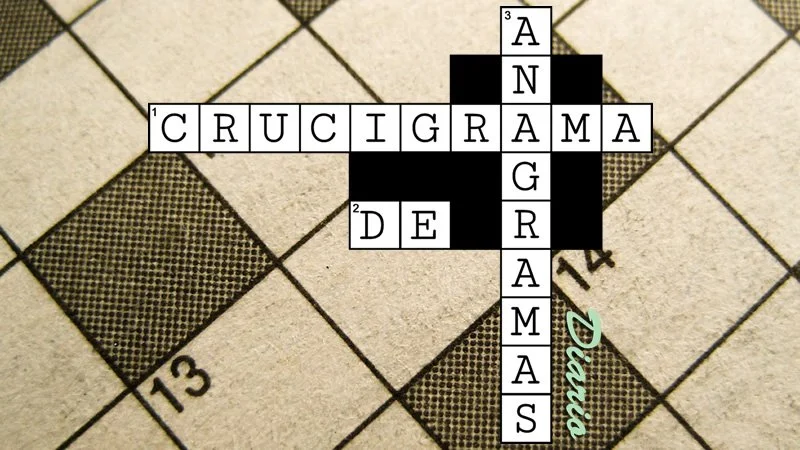
Tägliches Anagramm Kreuzworträtsel completely revitalizes the traditional crossword puzzle format by substituting trivia-based definitions with a purely linguistic challenge, completely localized for German speakers. Set against a clean, visually uncluttered digital newspaper layout, players are presented with a standard intersecting grid of blank squares. However, the clues are not historical facts, synonyms, or general knowledge questions. Instead, every single clue is a perfect anagram of the required German word (often featuring complex compound nouns). Your objective is intensely focused and relies entirely on vocabulary manipulation and rapid letter unscrambling: you must physically type the correct anagram into the grid. The atmosphere is deeply cerebral and intentionally demanding, requiring players to constantly juggle vowels, umlauts, and long consonant clusters in their head to find valid combinations that perfectly intersect. Offering a fresh puzzle every single day, this is the ultimate brain-training routine for German language enthusiasts.
How to Play
- The primary objective is to completely fill the crossword grid with valid German words.
- Every clue provided in the "Across" (Waagerecht) and "Down" (Senkrecht) lists is a direct anagram of the answer. You must rearrange all the letters to form the solution.
- Use your
Mouseto click on a specific row or column in the grid to highlight it. - Type the correct answer using your
Keyboard. - The Intersections: The core crossword mechanic remains intact. If you solve a horizontal word, it provides you with free letters for the intersecting vertical words, drastically narrowing the possible anagram solutions.
- A fresh puzzle is generated every 24 hours.
Tips and Tricks
- Look for Common Suffixes First: German words, especially plurals and verbs, frequently end in "EN", "ER", or "UNG". Mentally separate these letters from the anagram clue. If the remaining letters easily form a root word, you have likely solved it instantly.
- The "SCH" Digraph: The letter combination "SCH" is incredibly common in German. If your anagram contains an S, a C, and an H, group them together in your mind immediately as a single unit when trying to unscramble the rest of the word.
- Target the Short Words: Do not stare at a 12-letter compound noun anagram. Immediately scan the clues for 3-letter or 4-letter anagrams. They have drastically fewer permutations and provide crucial intersection letters.
- Write it in a Circle: If you are stuck on a long anagram, write the scrambled letters in a circle on a piece of paper. This breaks your brain's tendency to read them sequentially.
- Leverage the Umlauts: If the anagram contains an Ä, Ö, or Ü, it is a massive hint, as these letters often appear in specific grammatical contexts (like plurals) or specific root words.